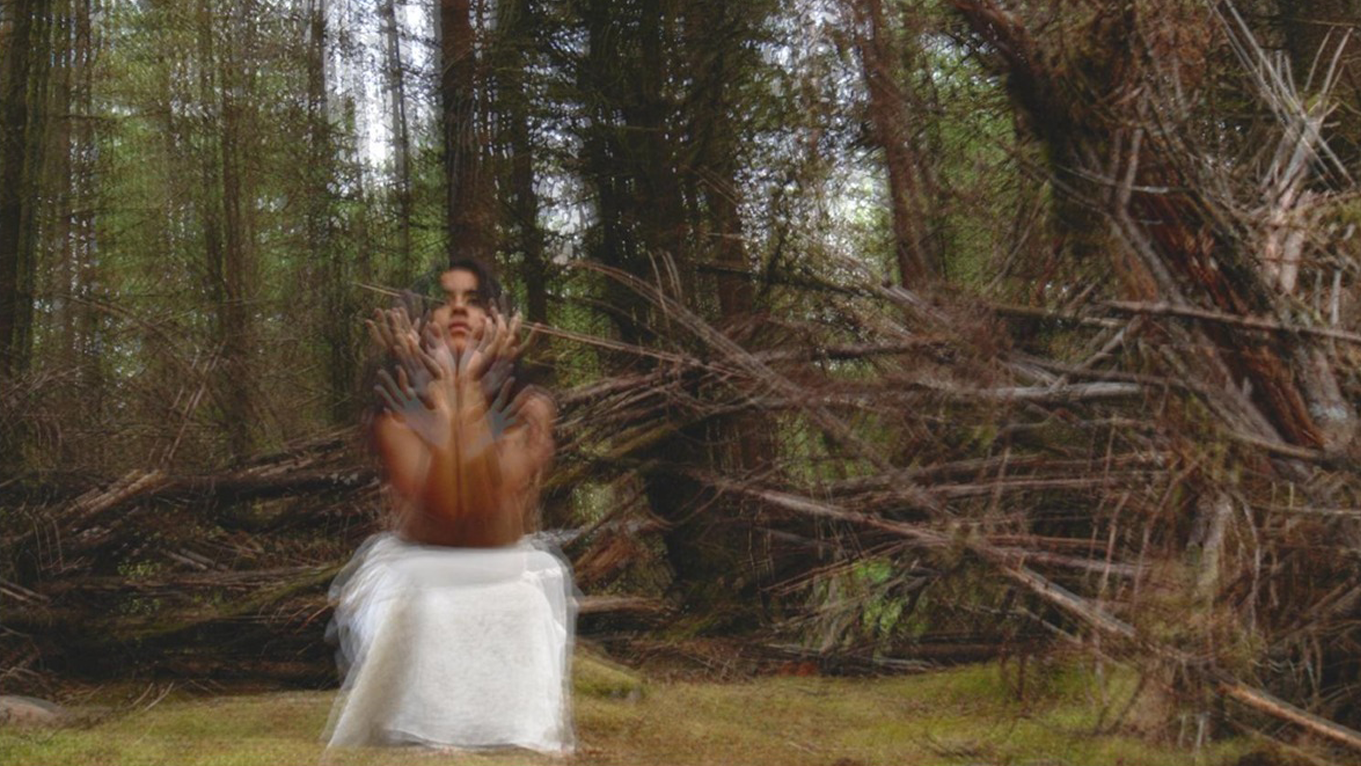
THe Interdisciplinary artist
You’re driven by curiosity more than categories. You probably get bored doing only one thing for too long and feel most energised when different materials, ideas and disciplines collide. You might move between photography, sculpture, writing, sound, textiles, film, performance or installation without feeling the need to “pick one.”
You’re less interested in mastering a single traditional medium and more interested in building a creative language that feels personal, experimental and alive. Interdisciplinary artists often thrive in art schools that encourage risk-taking, collaboration and cross-department exploration rather than rigid specialisation.
You may also find yourself drawn to artists who create immersive worlds, combine research with making, or use multiple forms to communicate emotion, politics, memory, identity or storytelling.
A foundation year is often the best starting point for interdisciplinary artists — it gives you time to experiment across mediums before committing to a single direction.
Central Saint Martins
One of the most sought-after foundation courses in the world. Broad, experimental and highly studio-focused, with excellent access to facilities across disciplines. A genuine launchpad for interdisciplinary practice.
arts.ac.uk/csm →Kingston School of Art
A strong, well-rounded foundation with good breadth across fine art, design and media. Known for supportive teaching and strong progression to competitive undergraduate programmes.
kingston.ac.uk →Manchester School of Art
Offers both a Foundation Diploma and a Fine Art undergraduate programme with space for experimental and cross-disciplinary work. A strong northern alternative to London.
mmu.ac.uk/arts →Leeds Arts University
A specialist arts university with a dedicated Foundation Diploma. Good breadth across disciplines with a supportive, experimental environment and strong links to the Leeds creative scene.
leeds-art.ac.uk →Camberwell College of Arts
A quieter, more focused alternative to CSM within the UAL family. Strong foundation course with good links to fine art, illustration and printmaking pathways.
arts.ac.uk →Byam Shaw School of Art
An intimate foundation and undergraduate environment within CSM. Particularly valued for its studio-based, experimental approach and strong emphasis on individual artistic voice.
arts.ac.uk →Goldsmiths
One of the most intellectually and experimentally open fine art programmes in the UK. Strongly interdisciplinary, with an emphasis on criticality, collaboration and contemporary practice across all mediums.
gold.ac.uk/art →Central Saint Martins — Fine Art XD
The XD (Cross-Disciplinary) pathway is especially well suited to interdisciplinary artists. Encourages experimentation across performance, installation, moving image, text and beyond within one of the world's most recognised art schools.
arts.ac.uk/csm →Chelsea College of Arts
Strong for fine art students who want to work across disciplines. Good facilities for installation, sculpture, performance and time-based media, with a supportive critical environment.
arts.ac.uk →Glasgow School of Art
A thriving contemporary art scene and a fine art programme with genuine space for experimental and interdisciplinary work. Glasgow itself is one of the most significant centres for contemporary art practice in Europe.
gsa.ac.uk →University of Brighton — Fine Art
A strong programme with freedom to work across mediums, a supportive studio culture and good access to a lively local creative community. Well regarded for experimental and research-based practice.
brighton.ac.uk →Falmouth University — Fine Art
An excellent option for interdisciplinary artists who want strong facilities, a close-knit studio community and the freedom to explore across mediums in a distinctive creative environment outside of London.
falmouth.ac.uk →School of the Art Institute of Chicago
One of the most interdisciplinary and conceptually open art schools in the US. Students are encouraged to work freely across mediums, departments and disciplines — ideal for artists who resist easy categorisation.
saic.edu →California Institute of the Arts
A genuinely experimental environment with strong programmes in performance, film, sound, installation and interdisciplinary art. Deep roots in avant-garde and conceptual practice.
calarts.edu →Rhode Island School of Design
Exceptional facilities and a culture of cross-disciplinary making. Strong for students who want to move between fine art, design, film and material experimentation with rigour and ambition.
risd.edu →Bard College
A liberal arts college with an exceptionally strong fine art programme. The integration of humanities and studio practice makes it ideal for artists whose work is driven by research, writing and cross-disciplinary thinking.
bard.edu/arts →Parsons School of Design
Strong for interdisciplinary artists interested in the intersections of art, design, technology and social practice. The New School context gives access to humanities, politics and cultural studies alongside studio work.
newschool.edu/parsons →Yale School of Art
A prestigious MFA programme with strong support for experimental and interdisciplinary practice. Highly competitive; best considered once you have an established undergraduate practice.
art.yale.edu →Europe has some of the most genuinely experimental art schools in the world — many with low or no tuition fees for EU students and a strong culture of interdisciplinary practice.
Gerrit Rietveld Academie
One of the most respected art schools in Europe for experimental and interdisciplinary practice. Organised around individual departments but with a strong culture of cross-disciplinary dialogue. Teaches in English.
rietveldacademie.nl →Sandberg Instituut
The postgraduate school of the Rietveld Academie. Highly experimental, with departments spanning fine art, design, research and hybrid practices. One of the most forward-thinking postgraduate environments in Europe.
sandberg.nl →Jan van Eyck Academie
A postgraduate research and residency institute for artists, designers and theorists working at the edges of disciplines. Unusually open structure with strong emphasis on research-led and experimental practice.
janvaneyck.nl →Städelschule
A small, highly prestigious academy with a strong reputation for experimental, interdisciplinary and research-based fine art practice. Works through a studio class system with international artists as professors.
staedelschule.de →Royal Institute of Art (Kungl. Konsthögskolan)
A small, rigorous fine art school with strong support for interdisciplinary and experimental work. Free tuition for EU students and an intimate, studio-focused environment with strong international connections.
kkh.se →École Cantonale d'Art de Lausanne (ECAL)
Internationally regarded for its experimental approach across art, film, photography and design. Strong for students interested in moving image, installation and interdisciplinary practice within a rigorous European context.
ecal.ch →Art school is not the only path. For some interdisciplinary artists, self-directed experimentation, residencies and cross-sector collaboration may offer more than a traditional degree.
Residency Programmes
Residencies such as Gasworks, Cove Park and Triangle Arts offer studio time, critical community and international networks without the cost of a full degree. Particularly well suited to interdisciplinary artists who already have a practice and want time and space to push it further.
ArtQuest — Residencies →Independent Study
Many of the most significant interdisciplinary artists developed their practice largely outside formal institutions. Build your own reading list, find collaborators, apply to open-submission exhibitions and create your own critical community — the connections you make may matter more than the institution.
ICA & Tate Exchange
The ICA and Tate Exchange run public programmes, workshops, short courses and talks that provide a rigorous education in contemporary art without full-time study. Often free or low cost — and excellent for building a critical network.
ICA London →Open Studios & Collective Spaces
Joining a shared studio or artist-run space gives you access to facilities, peer critique and community at far lower cost than art school. Look for spaces that actively host different kinds of practitioners — the cross-disciplinary dialogue can be as valuable as any course.
acme.org.uk →Open Calls & Exhibitions
Platforms like ArtQuest, Curatorspace and Axis Web list open calls, artist opportunities and exhibition submissions year-round. For interdisciplinary artists especially, showing work publicly and getting feedback is one of the fastest ways to develop a practice.
artquest.org.uk →Go To Art School — Portfolio School
Our portfolio programme pairs you with a personal tutor for weekly 1–1 sessions, supporting the development of a rigorous and distinctive body of work. Includes portfolio preparation, UCAS statement guidance, group critiques, practice interviews, visiting artists and matched work experience — designed specifically for competitive art school applications.
gotoartschool.uk →